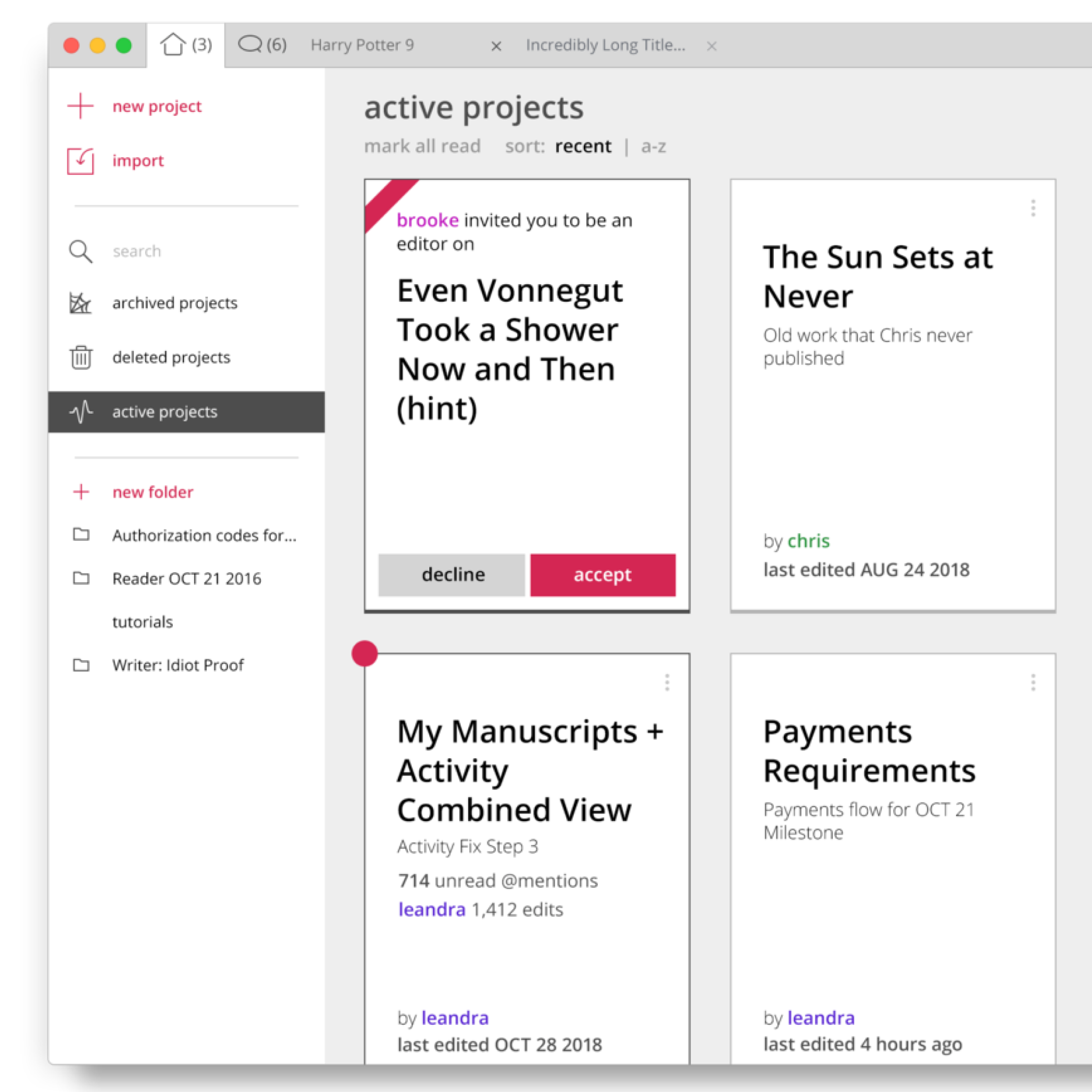
Ampersand
Ampersand was an Andreesen Horowitz-backed startup founded by dreamers who wanted to change the world of publishing. We set out to revolutionize the way readers engage with their favorite authors and books. As VP of Product, I led product vision and execution, working hands-on across UX, prototyping, strategy, data analysis, marketing, and partner relationships.
Our goal was simple to state and difficult to achieve: reinvent how authors write and how readers engage with stories.
The Problem
Professional writing is hard. Managing, multiple copies of manuscripts through waves of feedback from agents, editors, and publishers requires specialized tools to keep it all straight. On top of that, authors want to improve their chances of success by learning from readers as early as possible without disrupting their creative flow.
Meanwhile, readers want a genuine connection to the people behind the books they love, and a backstage view of the creative process.
Our challenge was to validate a new market for work-in-progress and peripheral publishing, without alienating the traditional publishing world. Our solution was a suite of professional writing tools paired with a double-sided marketplace connecting authors and readers.
Ampersand for Authors
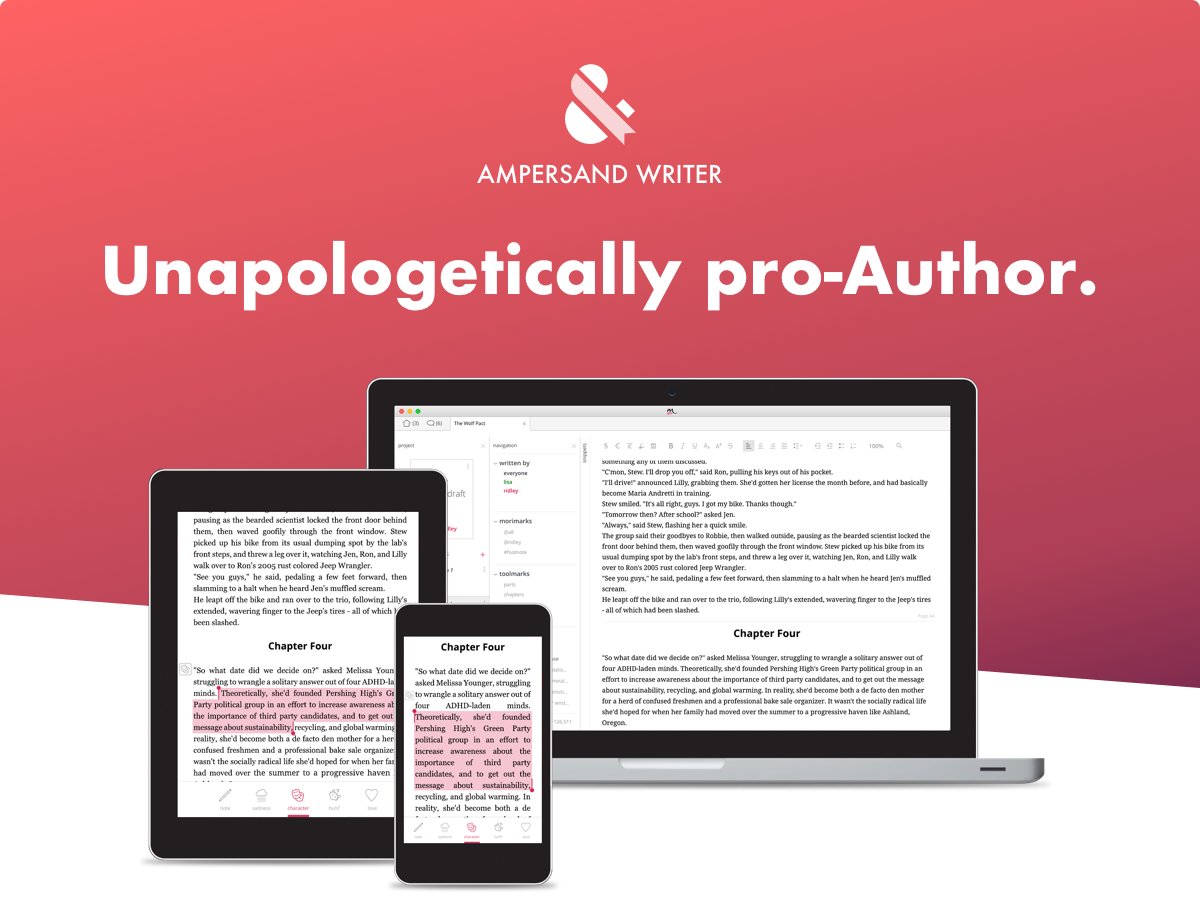
For authors, we designed a writing environment that focused on sharing early versions of manuscripts.
Authors could validate new ideas before going to publication, and even A/B test different versions with select groups of early readers. The tools made it easy to merge and compare feedback across versions, surfacing anonymized reading data directly in the manuscript. Authors could see where readers slowed down, reacted emotionally, or responded to inline questions, turning raw engagement into actionable insights.
Ampersand for Readers
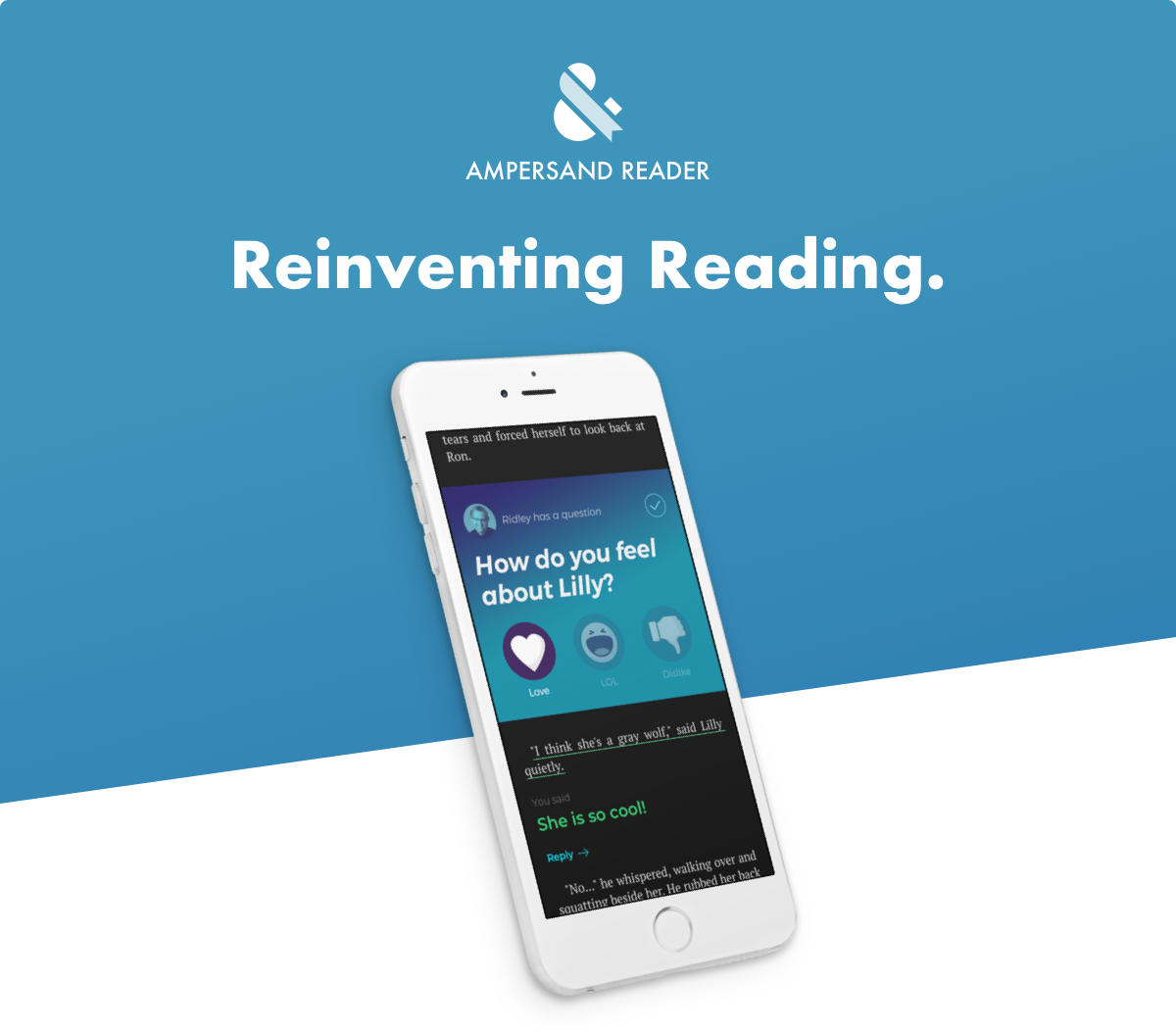
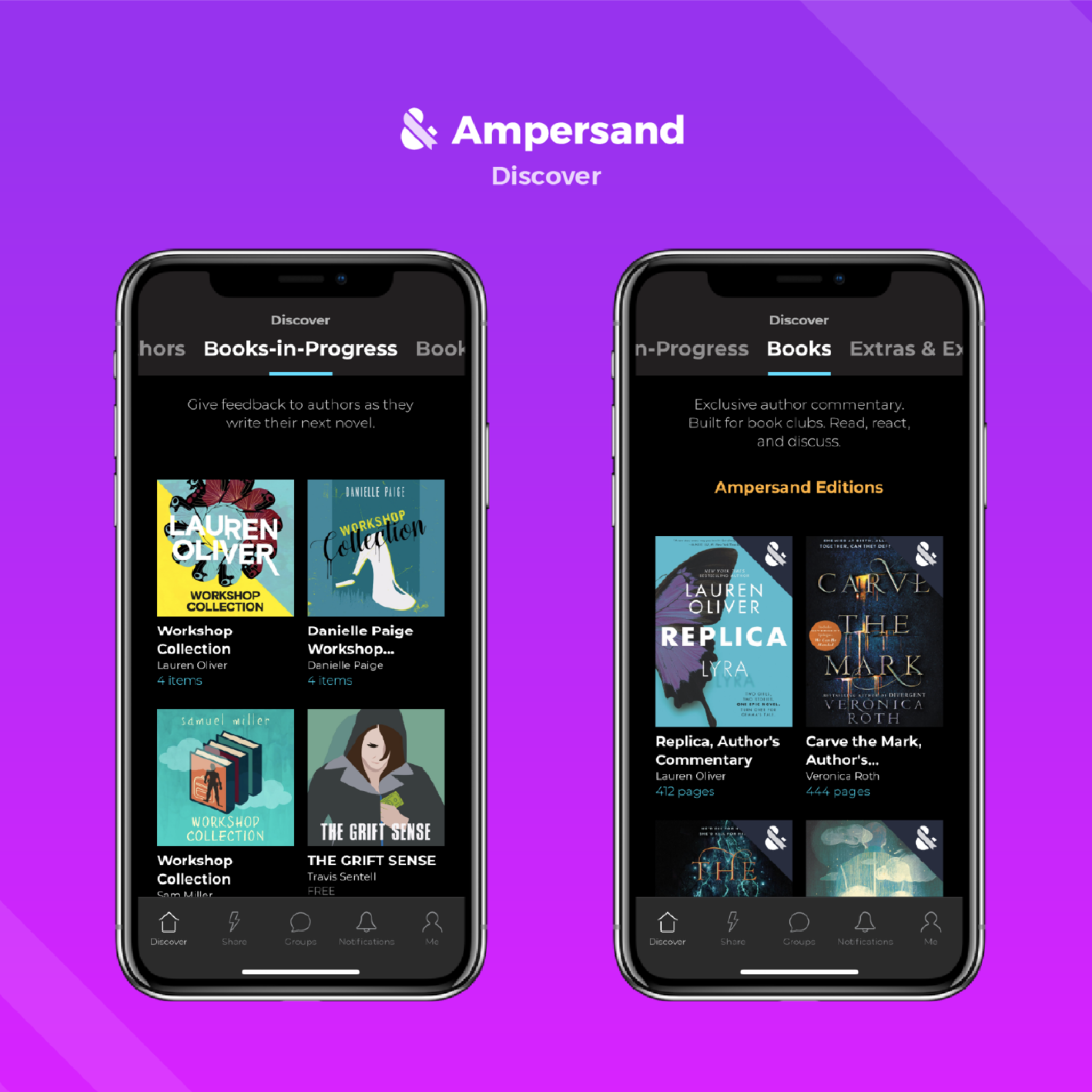
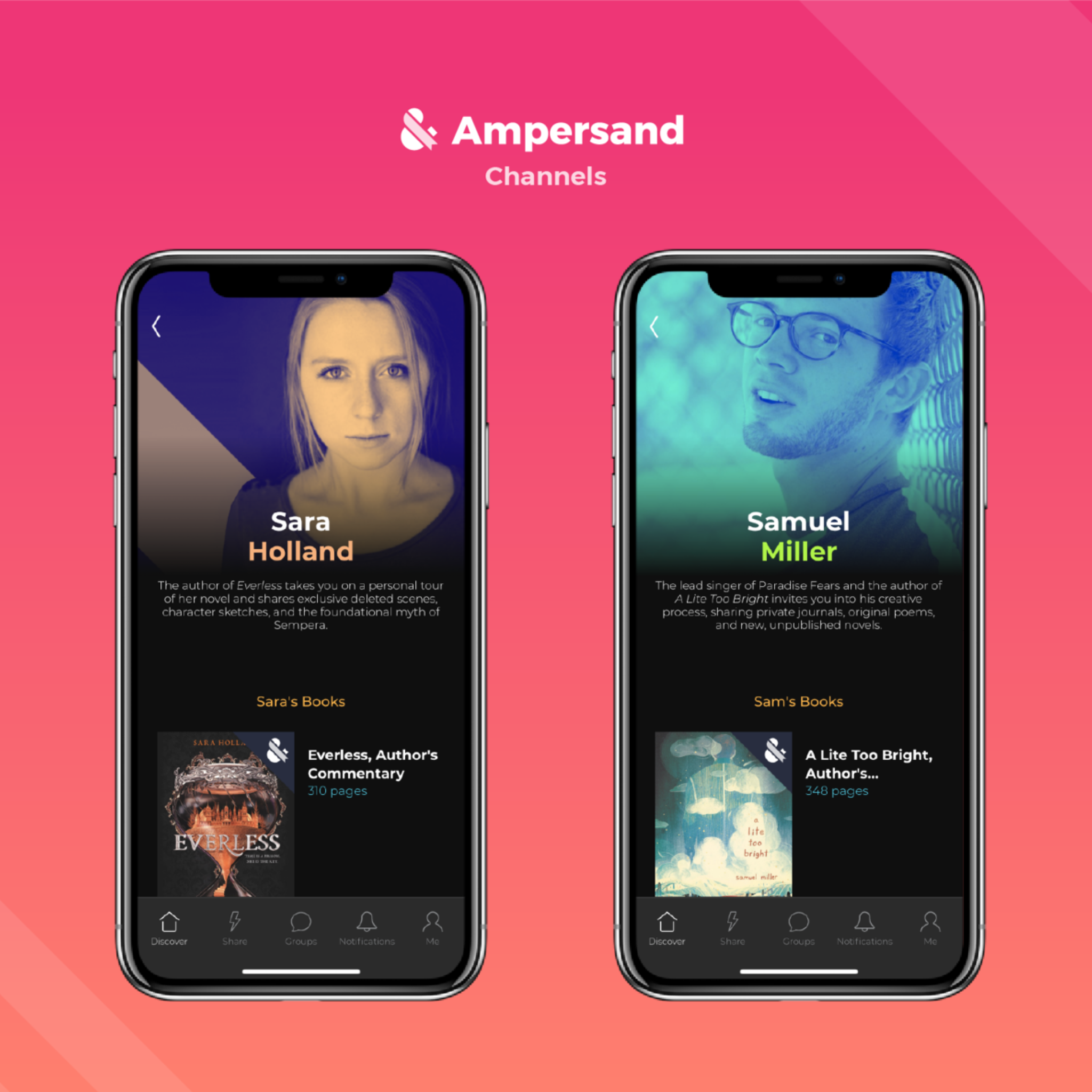
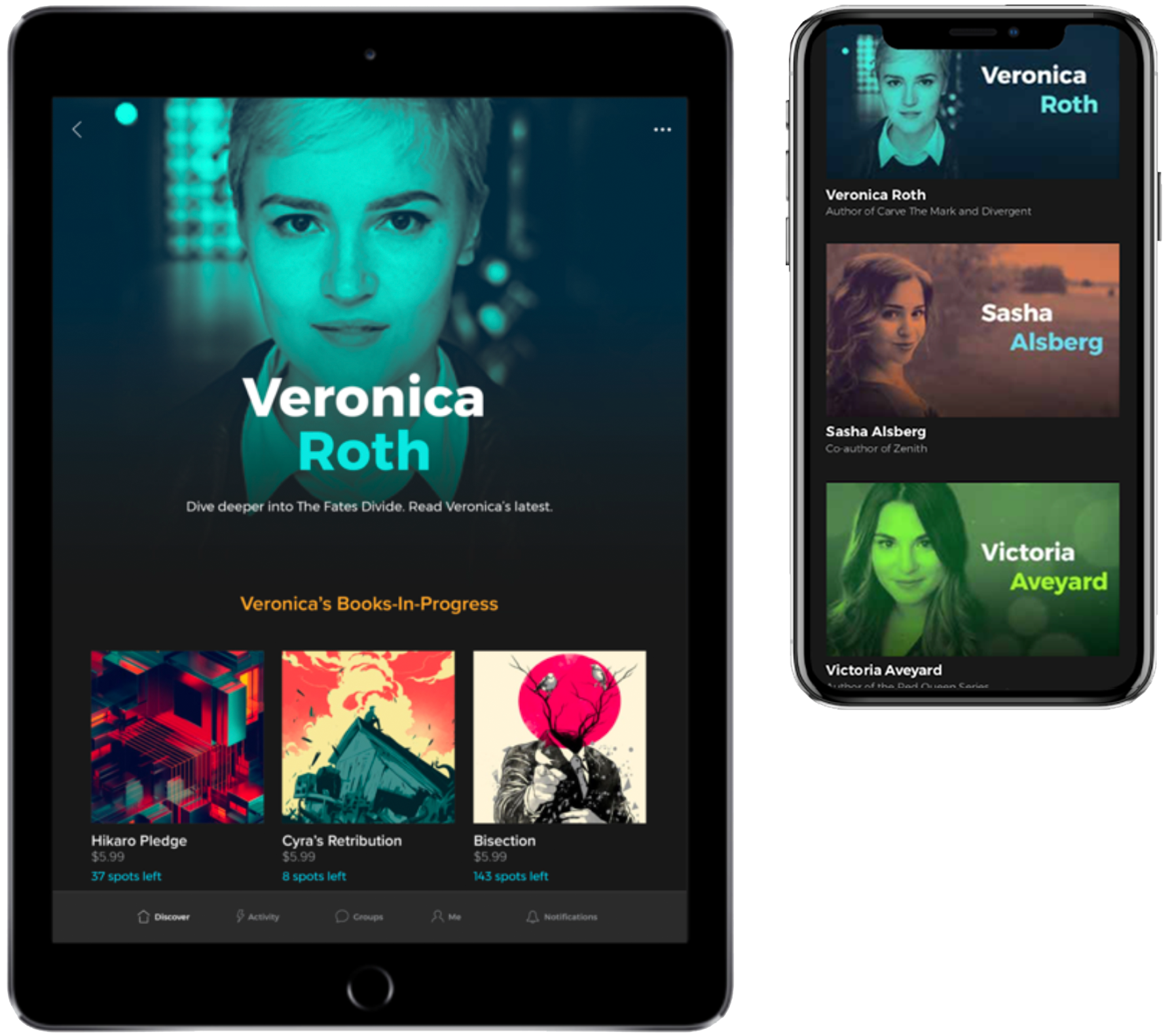
We got famous authors to write exclusive new stories and books just for us. Writers shared early drafts, sketches, and a treasure trove of ancillary content with their fans.
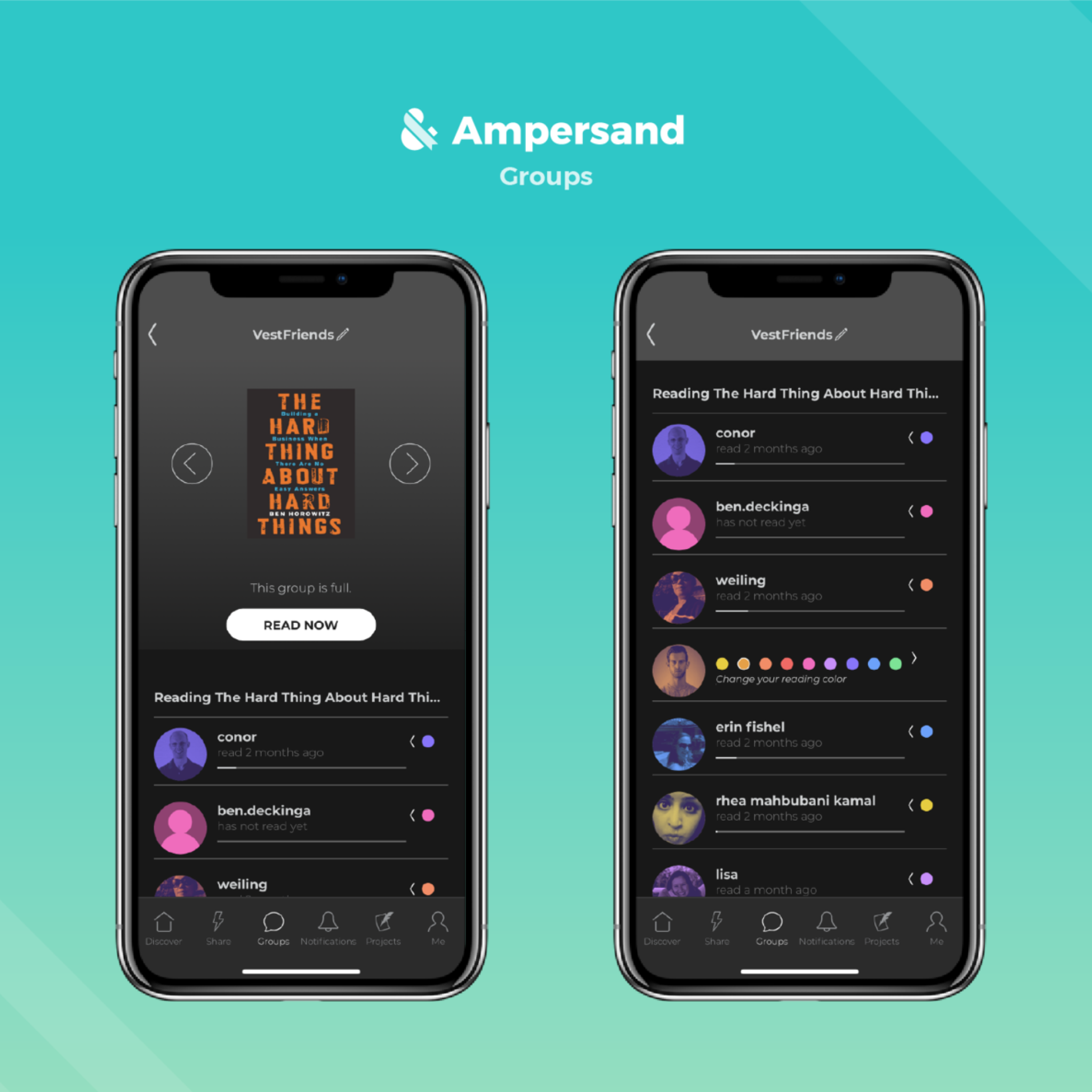
We designed a modern, social reading experience where reactions, notes, and conversations could happen inline in the text. Reading groups could start conversations right in the manuscript, leave notes for each other, or respond to questions from the author. The result was a feedback loop that generated meaningful signal for the author, while remaining joyful and genuine for readers.
-
![]()
Groups
-
![]()
Discover
-
![]()
Channels
-
![]()
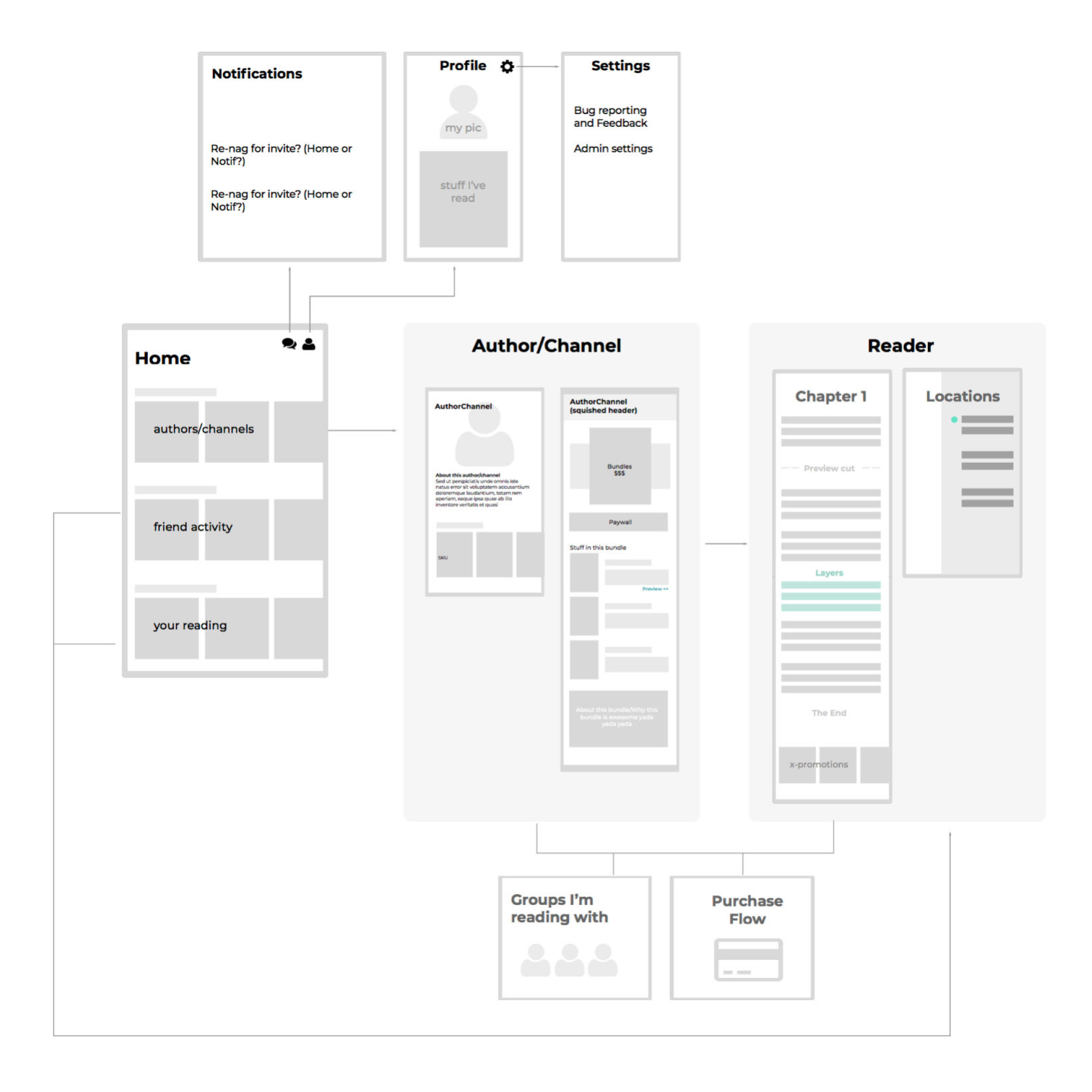
Wireframe
-
![]()
Manuscripts